A wind with its own identity
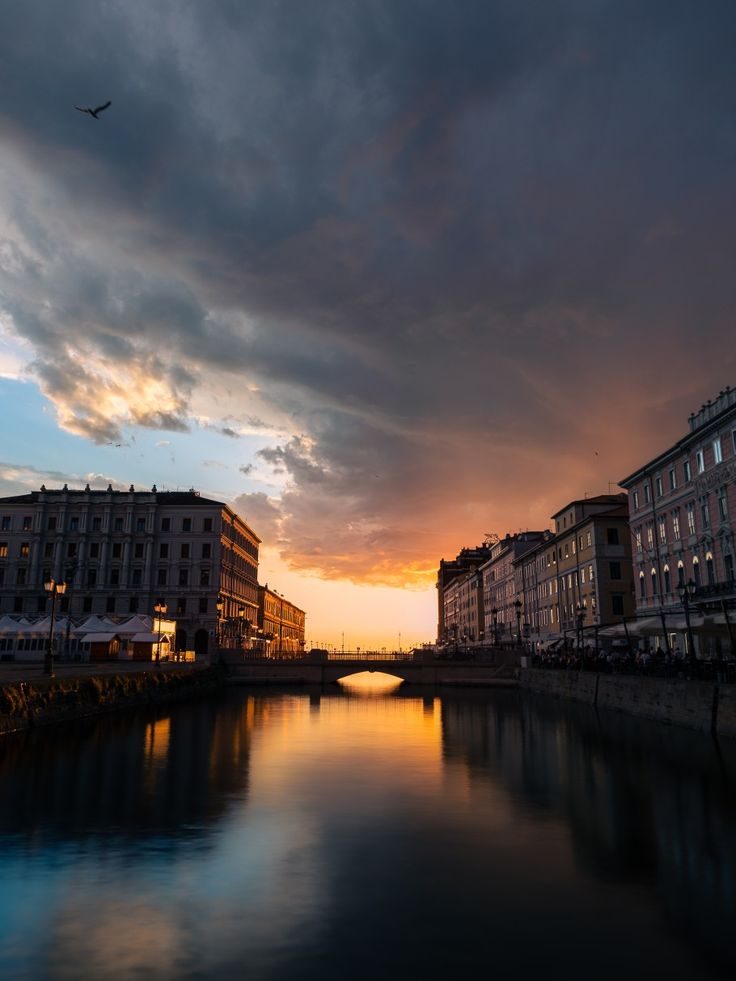
The bora is a cold, dry katabatic wind that drops from the Karst plateau toward the sea, capable of very strong gusts on its most intense days. In Trieste it’s such a part of the city’s identity that dedicated handrails exist along the most exposed streets, and locals treat it with a mix of annoyance and pride: it isn’t an emergency, it’s local weather, and the city has always known how to live with it.
When it’s blowing hard: the museums
The Revoltella Museum, home to some of the city’s most interesting nineteenth-century and contemporary art collections, is a perfect stop for a windy day. San Giusto Castle houses the Museum of History and Art, with gulf views from its interior rooms.
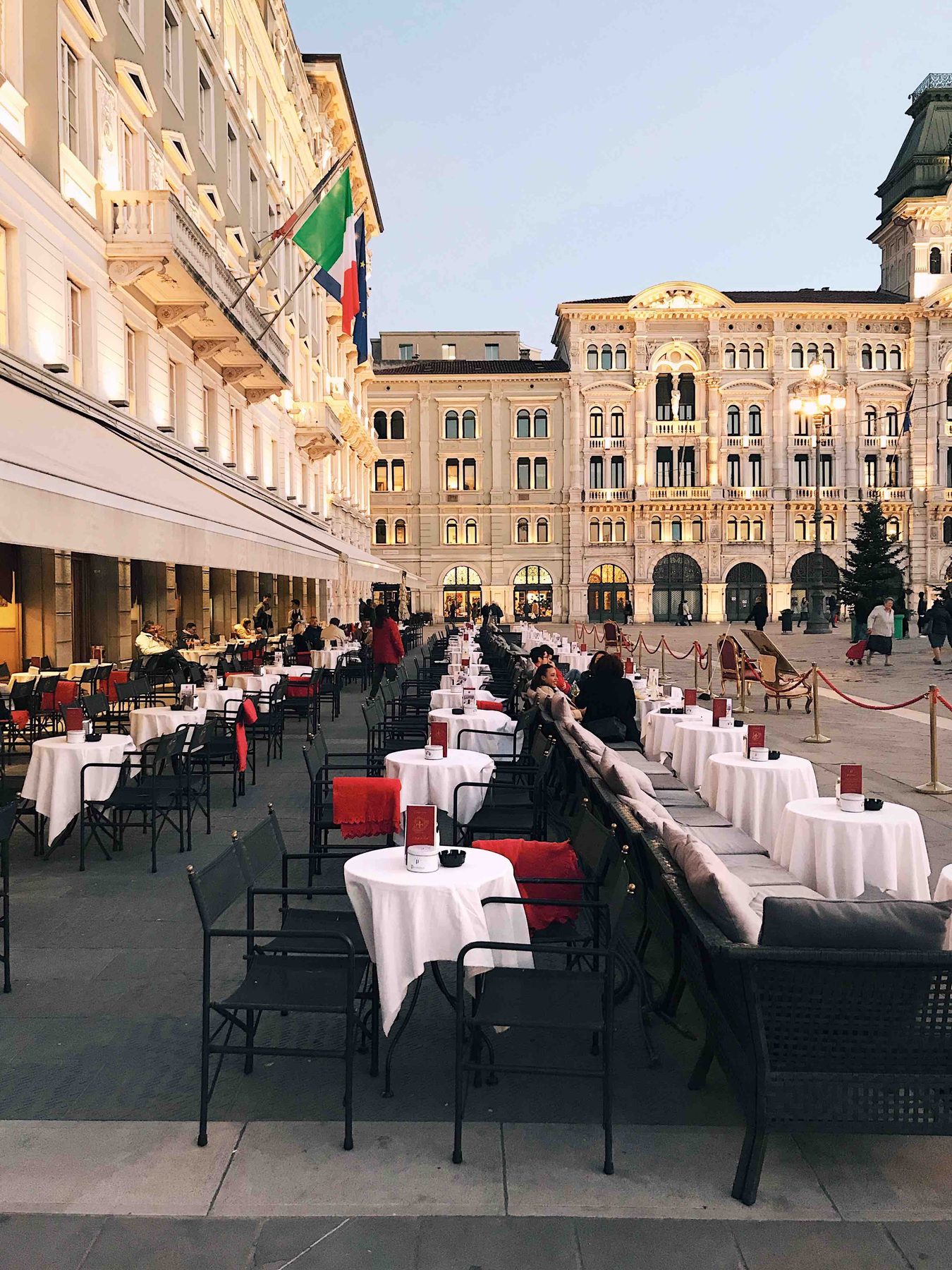
The historic cafés, unhurried
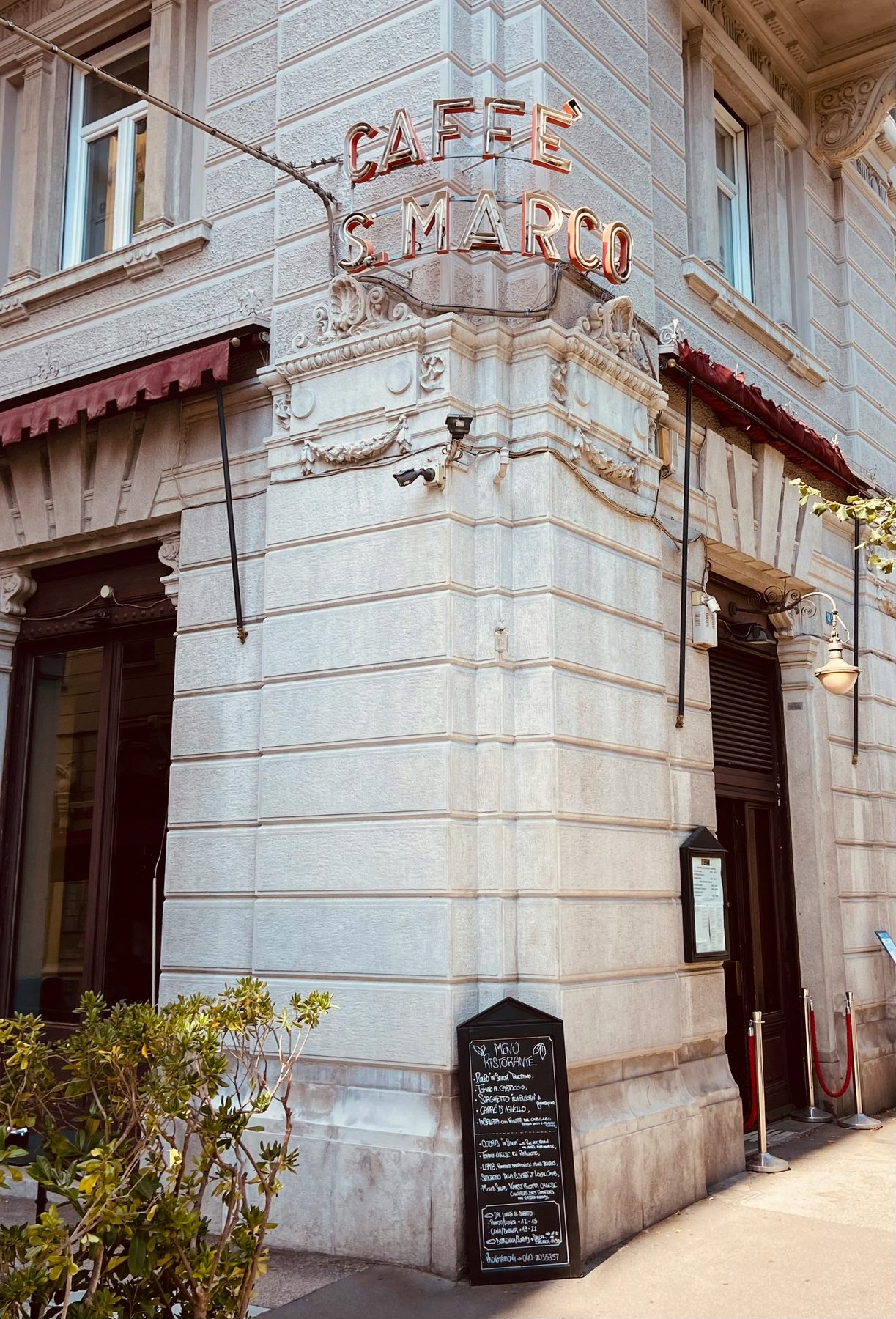
A bora day is the perfect excuse to experience the city’s historic cafés at the right pace: a book, a long coffee, the kind of time that Trieste, even in the wind, never seems to run short of.
Teatro Verdi and indoor cultural life
Trieste has an active theatre and music programme all year round: the Giuseppe Verdi Opera House is one of the city’s most important cultural institutions, and it’s worth checking the schedule before your stay.
A practical note
On days of very strong bora, some stretches of the seafront and ferry crossings can be temporarily suspended for safety. If your plans include a trip to Miramare or a boat crossing, it’s always worth having an indoor plan B.
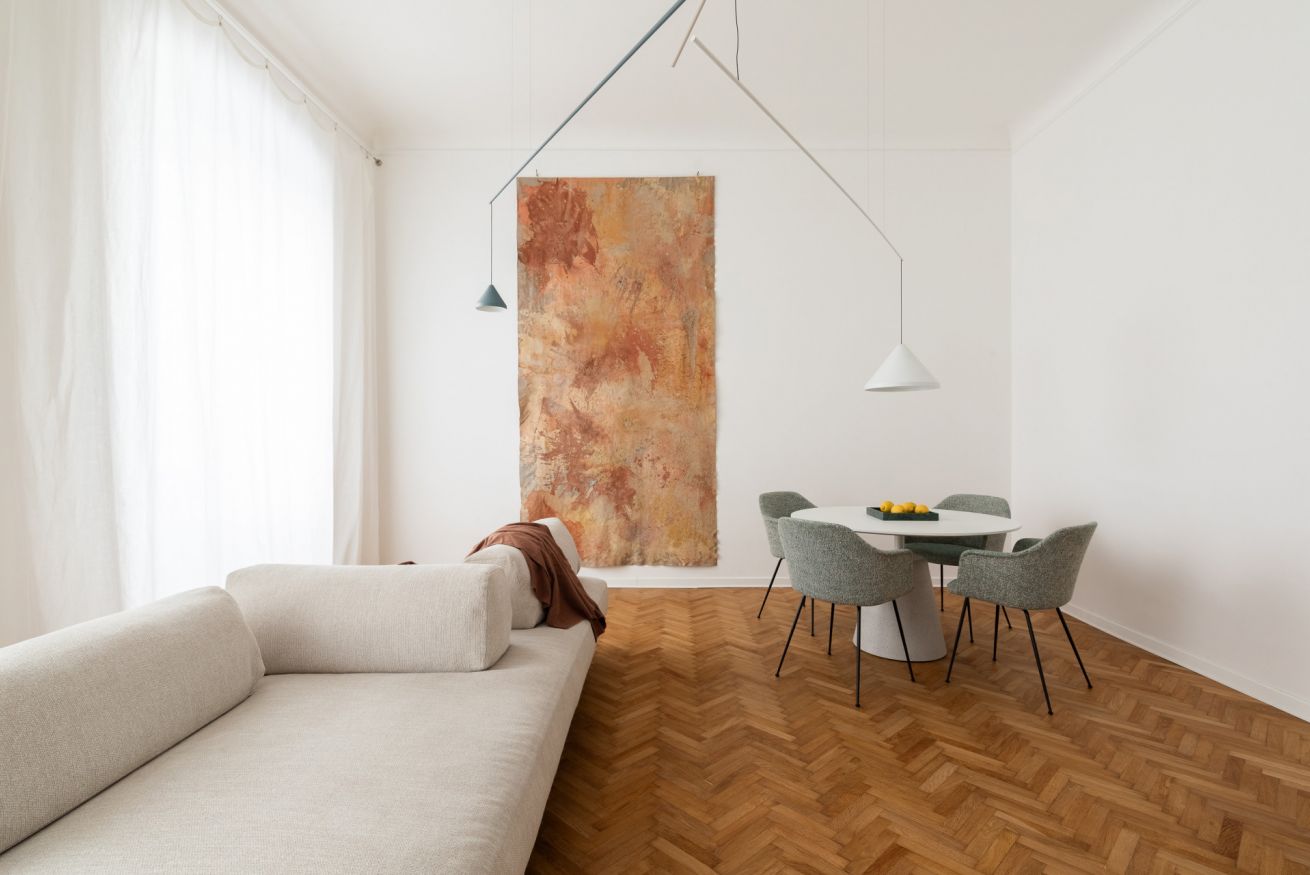
The wind outside, the warmth of a well-kept apartment inside: it’s exactly that contrast that makes a winter stay in Trieste memorable.
· The Concept Studio · Trieste, 2026